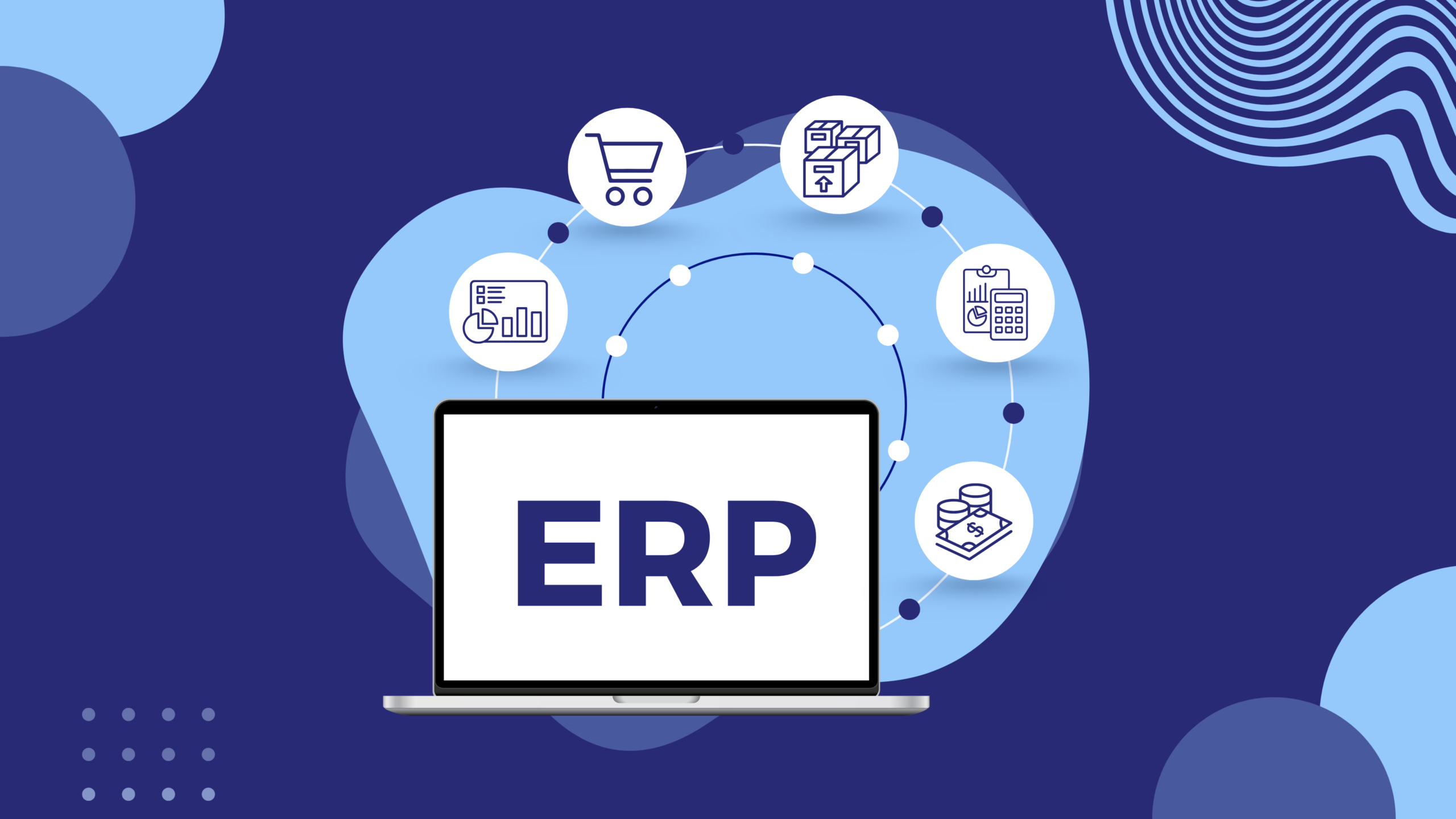
Managing finance, inventory, and operations separately can create confusion, leading to data silos and costly manual errors. As a business scales, these disconnected spreadsheets become a bottleneck. This is where Enterprise Resource Planning (ERP) comes in—a centralized software hub that unifies every department. Among the giants in this space is Microsoft Dynamics AX. Designed to handle complex, global operations, it serves as the digital backbone for ambitious enterprises. In this article, you’ll learn what Dynamics AX is, how it works, and who should use it to drive efficiency.
What Is Dynamics AX? (Simple Explanation)
At its core, Microsoft Dynamics AX is a comprehensive ERP system developed by Microsoft to help organizations streamline their entire business lifecycle. Think of it as a central nervous system: instead of using five different software tools for accounting, shipping, and HR, a company uses AX to manage everything in one place. While Microsoft offers several business tools, Dynamics AX is specifically engineered for medium to large companies that require more power than a standard accounting package. It is designed to handle multi-currency transactions, international tax laws, and complex organizational structures across multiple locations.
Key Features of Dynamics AX
Dynamics AX provides a robust suite of modules that cover every corner of a modern enterprise:
- Financial Management: Beyond basic bookkeeping, it handles advanced budgeting, automated global financial reporting, and complex ledger consolidations.
- Supply Chain Management (SCM): It optimizes the flow of goods by integrating procurement, warehouse management, and logistics into a single view.
- Manufacturing: AX is renowned for its production planning capabilities, allowing managers to track raw materials, resource capacity, and shop-floor scheduling in real time.
- Human Resources: From tracking employee performance to managing payroll and benefits, it ensures the workforce is managed as efficiently as the inventory.
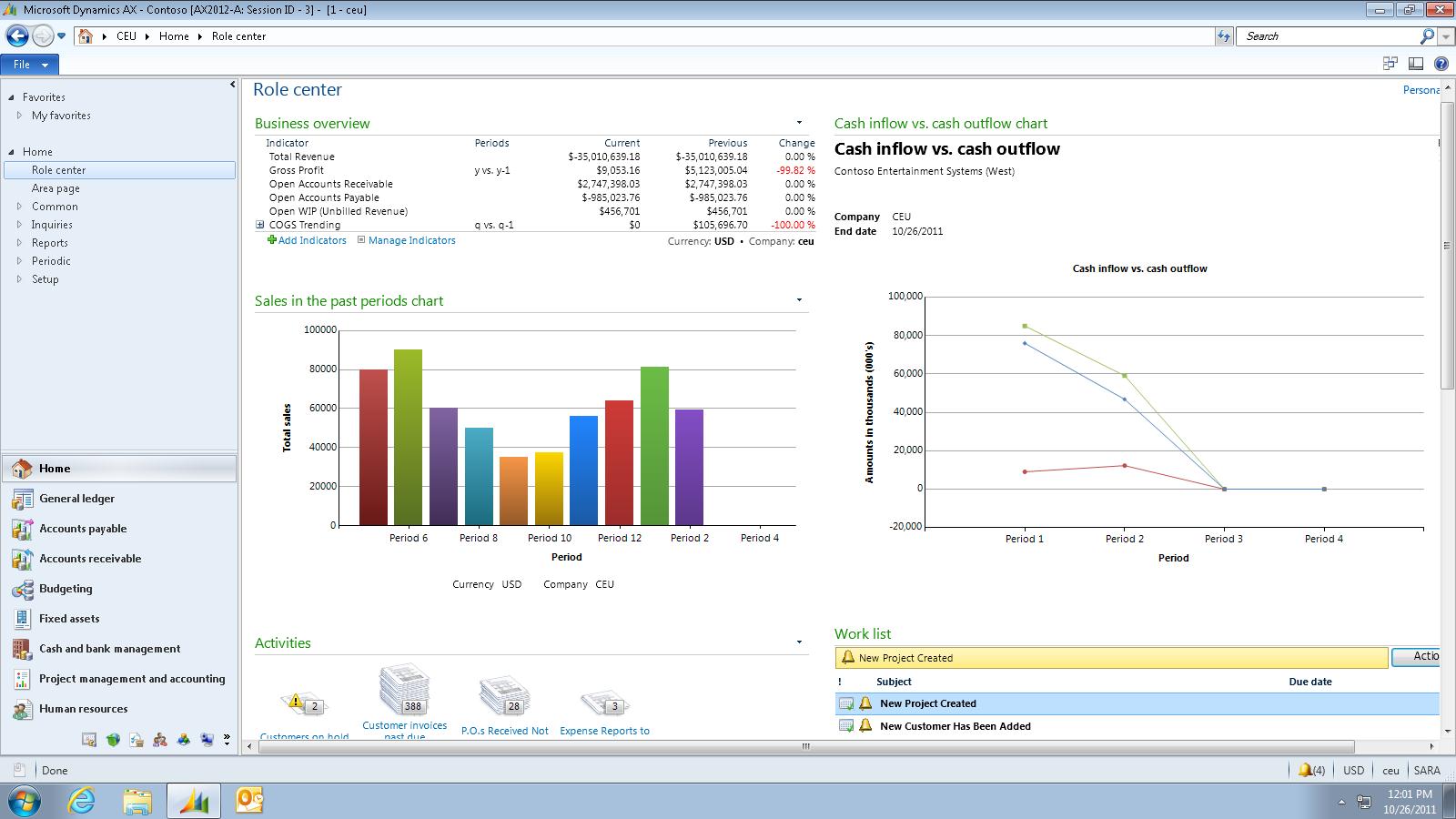
- Business Intelligence & Reporting: It turns raw data into actionable insights through built-in analytics, helping leaders spot trends before they become problems.
By housing these features under one roof, AX functions as a true all-in-one system, eliminating the need for risky third-party integrations.
How Dynamics AX Works?
The power of Dynamics AX lies in its unified database. In a traditional setup, the sales team might take an order, but the warehouse doesn’t know about it until an email is sent. In AX, the flow is automated: as soon as a Sales Order is entered, the system automatically updates the inventory levels and triggers a notification for the finance department to issue an invoice. This real-time data sharing ensures that everyone from the warehouse floor to the executive boardroom is looking at the same “single version of the truth.”
Who Uses Dynamics AX?
Because of its depth and scalability, Dynamics AX is the preferred choice for medium to large enterprises with high transaction volumes. It is particularly dominant in industries with physical assets and complex logistics, such as Manufacturing, Retail, and Distribution. Within these organizations, the system is used daily by:
- Managers to oversee cross-departmental KPIs.
- Finance teams to manage global accounts.
- Operations teams to ensure the production line never stops moving due to missing parts or data gaps.
Real-Life Example: The Manufacturing Cycle
Imagine a global furniture manufacturer. When a high-volume order is received for 500 office chairs, Dynamics AX instantly checks the inventory for fabric and steel. Finding a shortage, the system automatically suggests a purchase order for raw materials. Once the materials arrive, it schedules production based on machine availability. After the chairs are built and delivery is managed through the logistics module, the accounts are updated automatically. The entire process—from a customer’s click to the final balance sheet—is tracked in one seamless loop.
Dynamics AX vs. Modern ERP Systems
It is important to note that the ERP landscape has evolved. Dynamics AX was traditionally an “on-premise” system (installed on local servers). Today, Microsoft has transitioned AX into the cloud-based Microsoft Dynamics 365 Finance and Supply Chain Management.
While the core logic of AX remains the foundation, modern systems offer better mobile access, AI-driven insights, and lower hardware maintenance costs. Many companies still using older versions of AX are currently in the process of upgrading to the cloud to take advantage of these integrated web-based features and automated updates.
Benefits of Dynamics AX
- Centralized Data: No more searching through different apps; all your business intelligence sits in one secure location.
- Improved Efficiency: Automation reduces the time spent on repetitive data entry.
- Better Decision-Making: With real-time reporting, leaders can make choices based on facts rather than “gut feelings.”
- Scalable for Growth: AX is built to grow with you, supporting new languages, currencies, and entities as you expand globally.
Limitations and Challenges
Despite its power, Dynamics AX is not a “plug-and-play” solution. It requires a complex implementation phase that can take months of planning. The high cost of licensing and specialized consultants makes it a significant investment. Furthermore, it requires intensive training for staff to master its many modules. Because of this complexity and price point, it is generally not ideal for small businesses or startups that need a simpler, more agile tool.
When Should a Business Use Dynamics AX?
A business should consider Dynamics AX (or its successor, D365) when they outgrow entry-level software and face large-scale operations with complex processes. If your team is struggling to manage international regulations, multi-site warehouses, or intricate manufacturing workflows, you likely need a full-scale ERP. It is the logical next step for companies moving from legacy systems that can no longer keep up with the speed and data demands of the modern market.
Conclusion
Microsoft Dynamics AX remains a powerful, industry-standard ERP for large businesses that demand total control over their operations. While the technology is evolving into newer, cloud-integrated solutions, the core principles of centralization and efficiency stay the same. If your organization is ready to eliminate silos and scale with precision, now is the time to explore modern ERP options for your business.