BatchMaster ERP is an operational management platform designed specifically for process manufacturing like chemicals, foods & beverages etc.
Beverage manufacturing demands this specialized focus because liquids go through different production hurdles such as managing mixing tank capacities, scaling recipes by weight and volume, tracking rapid shelf-life turnover, and meeting strict FDA recall requirements.
In this guide, you will know how BatchMaster handles recipe formulation, shop-floor quality control, bi-directional lot traceability, and integration with your existing accounting tools. By the end, you will know whether BatchMaster is the right operational fit for your beverage plant.
Is BatchMaster ERP Suitable for Your Beverage Business?
No single ERP fits every beverage maker’s needs. Choosing the right fit for your plant depends on your production volume, compliance risks, budget, and the complexity of your bottling and mixing lines.
Instead of asking whether BatchMaster is the “best” software on the market, look closely at your daily plant bottlenecks.
BatchMaster Is Right Fit For You If
BatchMaster is designed for companies that need deep, formula-specific tools. It is worth evaluating if your business requires:
- Recipe and Formulation Management: You have to modify recipes flexibly by either liquid volume, weight, or target sugar/alcohol content without altering formulation balance.
- Batch Manufacturing: Your product needs blending of liquids in either tanks or kettles that requires evaporation tracking, scraps, and precise tank yield management throughout production cycles.
- Lot Traceability Back and Forth: You have to trace liquid ingredients, flavors, and packaging materials starting from your vendor level down to the final carton level.
- Recall Management: You need the capability of isolating a contaminated ingredient or bad packaging run within minutes rather than going through paperwork.
- Quality Management: Your lab does mandatory testing of the products (such as pH, Brix, or microbial tests) and you need to automatically quarantine batches till test results are clear.
- Shelf Life Management: Your company works with perishable liquids such as juices, extracts, or milk bases, and you have to control FEFO principles.
- Production Planning: You have to plan production scheduling of blending tanks, fermentation process, and fast moving packaging lines to avoid expensive changeover time losses.
- Accurate Beverage Costing: You have to know exactly what is the cost per can/bottle taking into account liquid losses, labels, caps, labor, and packaging scrap.
- Regulatory Documentation: You need automated generation of FDA, FSMA, or TTB compliance logs, nutritional facts panels, and Certificates of Analysis (COA).
- Warehouse Management: You need mobile barcode scanning to track raw pallets, cold-storage inventory, and finished goods movement.
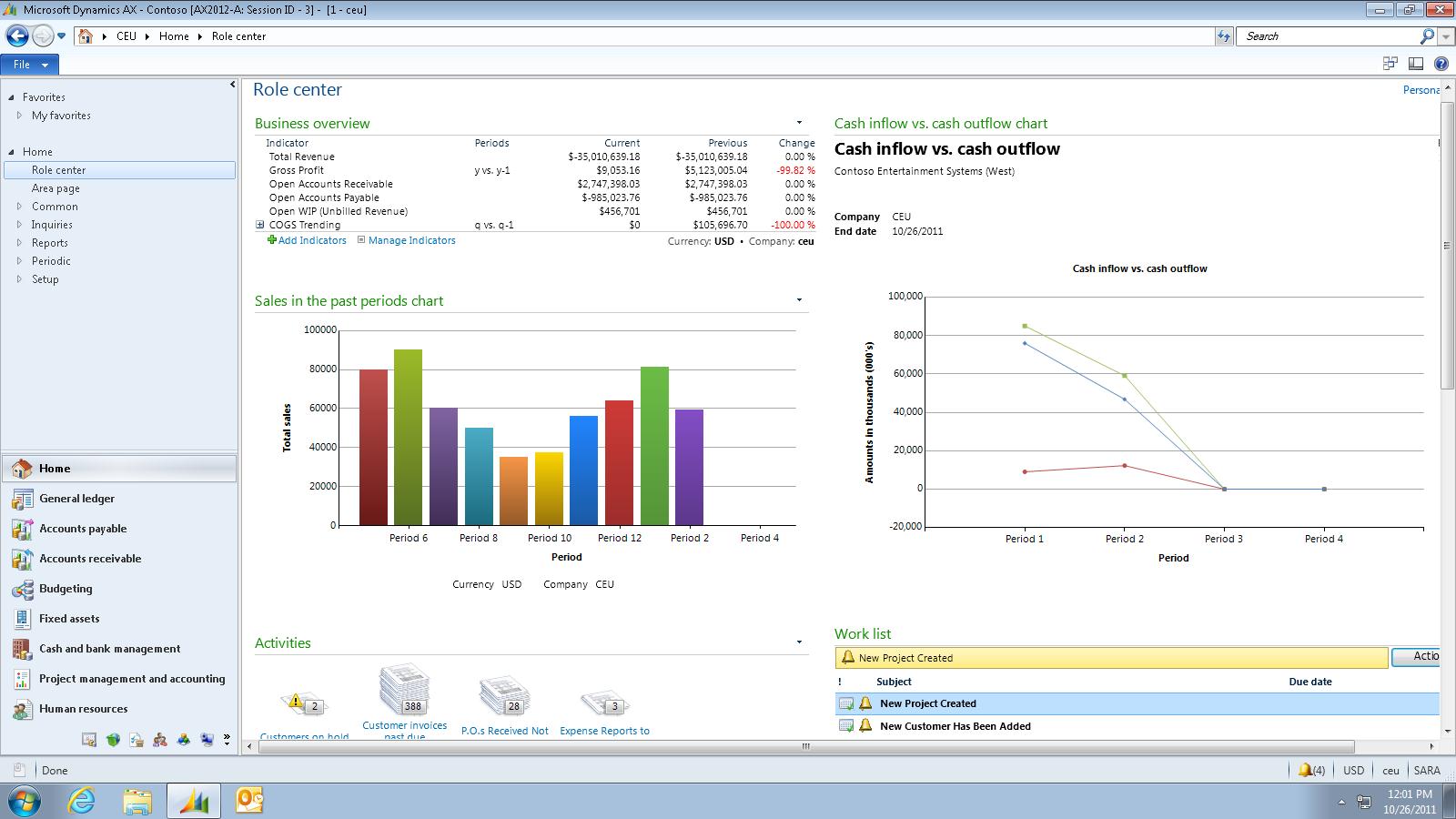
- Integration with Existing Financials: You want advanced manufacturing tools on the plant floor while keeping your existing accounting software, such as QuickBooks, SAP Business One, Sage, or Microsoft Dynamics.
Also Read: odoo vs ZOHO CRM: What You Didn’t Knew Till Now?
BatchMaster Suitability for Different Business Types & Size
1. Small Beverage Manufacturer
Scenario: Usually startups or plants that have a single production line, a small team, and limited revenue.
Compatibility: Often Too Complex.
If your recipes are simple, your inventory fits in one small room, and your supply range is limited to a few local shops, and few basic inventory add-ons like entry-level QuickBooks works well for you. Invest in BatchMaster only if you face strict regulatory hurdles or rapid retail expansion that demands audit-ready lot tracking from day one.
2. Growing Beverage Manufacturer
Scenario: Expanding brands moving from manual batching to automated tanks, supplying regional supermarket chains, and adding new product lines.
Compatibility Verdict: Strong Operational Fit.
During this phase, companies normally struggle with the problem of messy spreadsheets, tracking of spoilage of inventory, and manual recalls. BatchMaster helps these growing companies by helping them standardize recipe scaling and maintaining strict quality control. By integrating BatchMaster in QuickBooks or Sage, companies can enhance their manufacturing floor without completely upgrading their front-office accounting system.
3. Large or Multi-Location Manufacturer
Scenario: Enterprises that are operating multiple production facilities, running multi-shift packaging operations, and managing complex international distribution networks.
Compatibility Verdict: Fits Well as a Specialized Module.
Large enterprise operations need heavy-duty financial planning and enterprise resource tracking. For these organizations, BatchMaster for SAP Business One or BatchMaster for Microsoft Dynamics BC is frequently the preferred path. It provides the deep liquid batching, tank scheduling, and compliance controls the plant floor needs, while the tier-one ERP manages multinational finances, corporate payroll, and global logistics.
Also Read: What Is Bigin CRM by Zoho? Features, Best Suited For & Use Cases
Real Customer Story – Next Drinks
What Do Beverage Manufacturers Need From an ERP?
Beverage making is very different from assembling mechanical goods. It is a complex and delicate balance of liquid chemistry, perishable raw materials, and high-speed packaging lines. To operate profitably keeping consumers health in account, a beverage making plant requires an ERP tailored to below specific operational demands:
Recipe and Formulation Management
The formulas for most beverages rely on precise liquid density, sugar content and dilution ratio that is unique to each brand. Plants need software that can scale recipes to meet tank size requirements while keeping flavor balance, nutrition content or alcohol level according to brand’s standards.
Batch Processing
Processing of beverages in a liquid form is typically carried out in mixing tanks, kettles or fermenting vessels before filling. The system should manage such issues as tank size limitations, mixing time, evaporation during boiling and run-off yield.
Ingredients and Packaging Inventory
Bev manufacturers have two types of inventory that are totally different – raw bulk liquids and/or powders which expire and become unfit, as well as packaging items such as cans, glass, bottles, caps, labels and cardboard boxes.
Lot Traceability
In case of contamination of some particular batch of fruit puree or defective bottle cap appearing in the production line, manufacturers have to be able to trace particular lot number back to vendor and forwards to all packed boxes immediately.
Shelf-Life Management
Products like juices, teas, dairy beverages and craft beers have rather short shelf-life. The software should enforce First-Expiry First-Out (FEFO) picking rules that require using older
Quality Control
Quality teams in beverage and food plants need mandatory inspection checkpoints. The ERP should allow them to quarantine raw materials upon arrival and hold batches until lab tests confirm proper pH levels, carbonation volume, clarity, and microbial safety.
Regulatory Compliance
Plants have to implement strict guidelines from agencies like the FDA, FSMA, and TTB (for alcoholic beverages). The software must automatically archive sanitation records, electronic audit trails, and Certificates of Analysis (COA) without much paperwork.
Production Planning
Bottling lines and mixing tanks cannot sit idle. Plants needs visual scheduling tools to align ingredient delivery dates with tank availability, minimizing changeover downtime between different flavors and packaging sizes.
Cost Control
As ingredients and freight prices fluctuate constantly. The ERP must calculate true landed costs per bottle or can.
Also Read: What is Capsule CRM? Detailed Review of Features, Integrations for Startups
BatchMaster ERP for Different Types of Beverage Manufacturers
Because every beverage segment manages different ingredients and production pressures, here is how the BatchMaster software fits each manufacturing model.
Soft Drink Manufacturers
BatchMaster automates recipe scaling and tracks bulk ingredients for carbonated soft drink makers. It syncs mixing tanks directly with canning and bottling runs to help makers prevent packaging shortages and minimize equipment idle time.
Juice Manufacturers
Juice makers have to deal with perishable fruit concentrates and heat pasteurization. BatchMaster calculates these yield losses from filtration and boiling, ensuring nutritional values, Brix levels, and flavor profiles stay consistent on every carton.
Energy Drink Manufacturers
Energy drinks, teas, and wellness beverages require strict formulation controls. BatchMaster ERP tracks ingredient potencies so every batch meets safe health guidelines. It also auto-generates compliant Supplement Facts panels, allergen statements, and Certificates of Analysis (COA) required by regulatory agencies like the FDA.
Bottled Beverage Manufacturers
BatchMaster connects bulk liquid intake with packaging inventory including PET bottles, glass, caps, labels, and outer cartons. Floor teams can use handheld barcode scanners to track finished pallets from the end of the line directly into warehouse tracking.
Also Read: 7 Step Lead Management Software by Pipedrive Ensures Revenue Growth
Advantages of Using BatchMaster ERP for Beverages
- Better Formulation Control: The ERP automatically scales recipes to fit the tank sizes, to ensure consistent flavors and prevent expensive batch dumping caused by manual measuring errors.
- Faster Product Recalls: Tracing contaminated lots back to suppliers and forward to specific store shipments becomes easy and can be in minutes to avoid devastating blanket recalls.
- Reduced Inventory Spoils: Enforces First-Expiry, First-Out (FEFO) picking rules so perishable juices and purees are used before expiring in cold storage.
- Optimized Production Planning: It can coordinate mixing tanks with high-speed packaging lines to eliminate idle equipment downtime and reduce flavor-changeover delays.
- Accurate Margin Costing: The BatchMaster ERP is well known for its ability to track exact production costs down to the individual bottle or can.
- Stronger Quality Control: It handles which untested liquids should be quarantined Automatically to ensure batches are corrected before being wasted in thousands of bottles.
- Simplified Regulatory Audits: Generates digital audit trails, COAs, and FDA/FSMA compliance reports in a few clicks, eliminating stressful paper searches during inspections.
- Reduced Manual Work & Errors: As it replaces paperwork with barcode scanning and accounting sync, duplicate data entry and administrative bottlenecks are avoided automatically.
BatchMaster ERP provides the recipe accuracy, bi-directional lot traceability, and shelf life management that generic ERPs cannot provide for beverage makers without extensive customization. If you are having problems with spreadsheets, tank scheduling, spoilage of ingredients, or complicated audits, then you should definitely consider this solution.
Its complexity implies a full commitment on your part regarding implementation and staff training. Think carefully about what kind of challenges you need to address in terms of production, budget, and other factors before you decide. BatchMaster ERP is designed to safeguard your business financially, and it knows how to do this.
FAQs
Does BatchMaster support product recalls?
Yes. The software enables rapid recall management by tracing suspect ingredient lots forward to finished cases and customer delivery orders in minutes, helping plants execute targeted, compliant recalls quickly.
Is BatchMaster ERP designed for beverage manufacturing?
Yes. BatchMaster is built specifically for formula-based process manufacturing. It handles core beverage demands like liquid blending, volume-to-weight conversions, ingredient shelf-life, and tank scheduling for bottling and canning operations.
Does BatchMaster support beverage recipe management?
Yes. Its formulation module allows manufacturers to build, tweak, and dynamically scale liquid recipes by weight, volume, or target percentages while automatically calculating ingredient costs and nutritional values.
Can BatchMaster track beverage batches and lots?
Yes. BatchMaster provides bi-directional lot traceability across raw liquids, packaging, and finished goods, tracking items from initial supplier deliveries through mixing tanks directly to customer shipments.
Does BatchMaster support beverage quality control?
Yes. Its quality module lets teams quarantine untested materials, log pH or Brix test results, verify tolerances during blending, and automatically generate Certificates of Analysis before release.
Does BatchMaster support FDA compliance?
Yes. BatchMaster includes compliance tools that generate electronic audit trails, allergen tracking, lot tracing logs, and Certificates of Analysis to satisfy FDA, FSMA, and cGMP standards.
Can BatchMaster integrate with QuickBooks?
Yes. BatchMaster connects directly with QuickBooks, allowing production teams to handle formulation and inventory on the factory floor while automatically syncing financial numbers with existing accounting books.