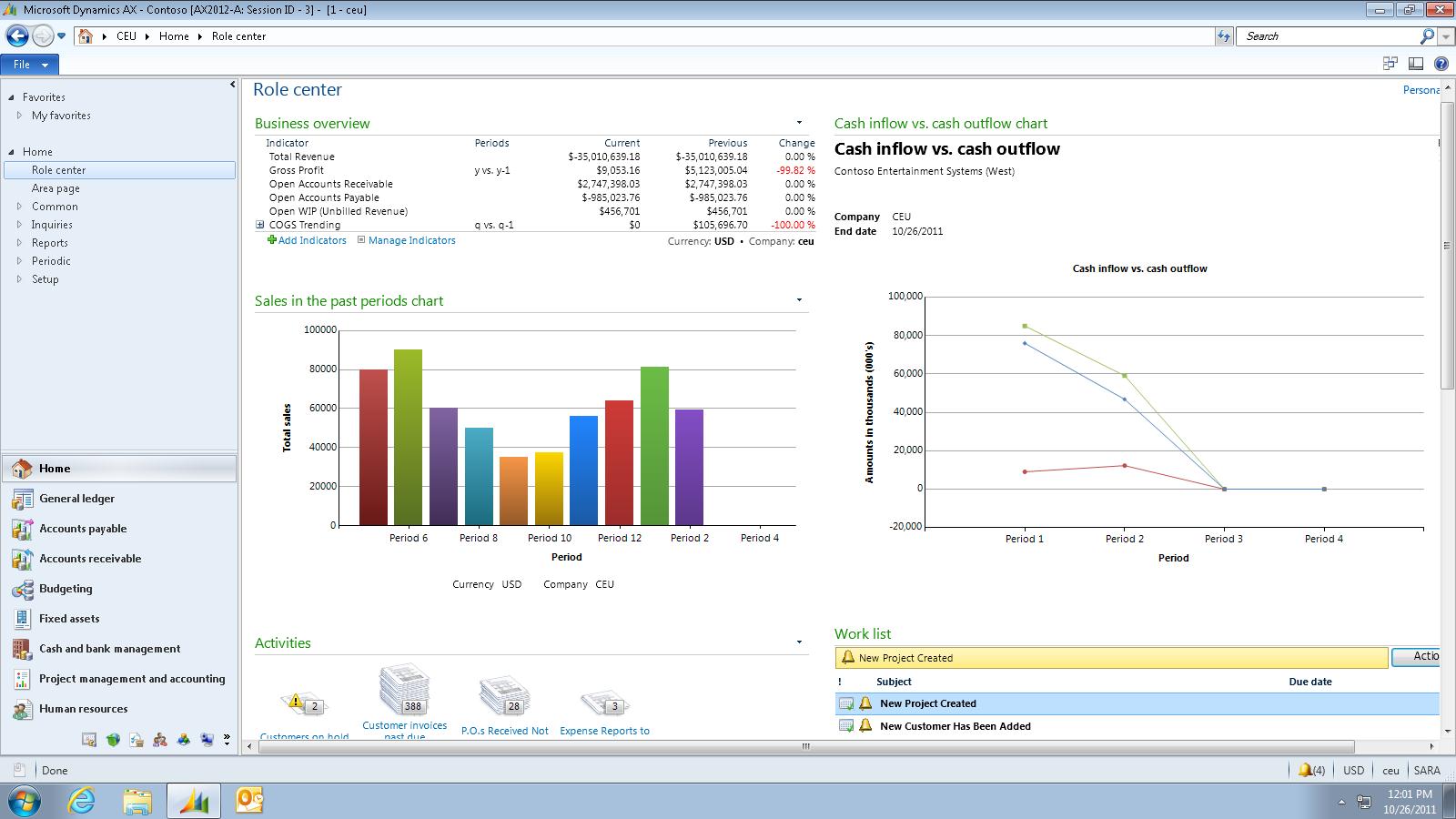

ERP applications have acted as the backbone of several industries and businesses through many years now. All organisations run on data, and ERP applications play an unavoidable part in maintaining the process.
In a study published in 2024, AI-driven ERP users saw 30%+ increase in satisfaction and 25% productivity boost and over 50% of organizations even plan AI integration within 2 years. So, moving forward with this much fast pace, should we be worried if AI is going to take over and replace ERP forever?
Here we will know why they aren’t replacing each other but bringing an entire revolution through their integration.
What Is an ERP System?
ERPs are basically software platforms which integrate all necessary processes within an organisation into one system. This integration of processes enables efficient flow of information and saves time and labour by reducing manual errors, unnecessary duplication, and giving instant results. It gives the decision-making ability for managers based on data and facts.
Also Read: List of All ERP Systems: Top Solutions for Every Business Size
Why AI Cannot Fully Replace ERP?
There is a common misconception that AI with its ability to think, predict, and analyze will eventually replace the legacy ERP systems. However, this misses the fundamental purpose of an ERP.
AI doesn’t store data to analyze from, ERP does. AI models need your company’s historical and transactional data. Without an ERP to capture and store that data with high integrity, AI would have nothing to learn from.
AI doesn’t comply with rules, ERP provides process control: AI cannot enforce business rules. ERP ensures that a PO cannot be issued without authorization or that an invoice cannot be paid without a matching receipt. AI suggests and optimizes, but the ERP governs the “guardrails” of the business.
AI works on data, whether it is bad or good. ERP systems ensure data accuracy and provide the structural discipline required to keep business data clean, accurate, and audit-ready.
Think of it as, AI is the brain that suggests the next move, but the ERP is the muscles and skeleton that actually executes the work and holds the organization together.
How AI Is Transforming ERP Systems?
We are moving from systems of records which store data to systems of intelligence, where the data works for us.
Intelligent Automation of Repetitive & Boring Tasks
AI is very good at doing repetitive tasks on automation of back-office workflows. By utilizing Intelligent Automation, AI can handle:
- Invoice Processing: Automatically matching invoices with purchase orders and receipts.
- Data Entry: Using computer vision to read physical documents and populate fields in the ERP.
- Purchase Order Creation: Flagging when inventory is low and drafting orders for vendor approval.
- Expense Categorization: Sorting employee expenses based on company policy.
Predicting Future Operations By Analysing Data & Trends
While an ERP can tell you what happened last month, AI tells you what will happen next month. Businesses can use AI to predict
- Future Sales: By analyzing seasonal trends to predict demand.
- Inventory Demand: Reducing waste by predicting precisely what stock is needed.
- Cash Flow Trends: Alerting management to potential liquidity issues before they become crises.
- Equipment Maintenance: Predictive maintenance, where AI sensors detect machine wear-and-tear before a breakdown occurs.
Being Conversational
Conversational AI can interact with employees using natural language. A manager might simply ask their system: “Show me last month’s top-selling products in the California region.” Instead of waiting for an employee to make a report, the AI pulls the query and presents the answer in seconds.
Smart Recommendations
Modern ERPs now act as advisors as well. If a supply chain is disrupted, the AI doesn’t just report the delay—it suggests a list of alternative suppliers based on current shipping costs, historical reliability, and delivery times, allowing managers to make data-backed decisions in minutes.
Industries Already Using AI in ERP
The integration of AI and ERP is already yielding massive results across diverse sectors:
- In manufacturing AI works for predictive maintenance and production line forecasting.
- Retail utilizes AI to optimize inventory placement to ensure popular items are always in stock.
- Distribution organisations use AI to calculate the most efficient delivery routes and warehouse picking paths to save time and energy.
- The healthcare industry is Improving operational planning by forecasting patient intake and staff requirements.
- Professional Service companies using AI to predict project timelines and optimize workforce allocation.
Challenges Associated with AI Powered ERP
With so much to offer, companies will still have to be aware of potential hurdles in the journey to adopt the integration of ERP and AI.
- Data quality: With poor data quality, any insights generated by the AI would also be faulty.
- Implementation costs: AI-enabled solutions tend to carry relatively high implementation costs.
- Staff training: Employees will not only need training to operate the software; they would need to learn how to decipher the recommendations generated by AI.
- Privacy & Security: AI needs a lot of access to data, making it essential to ensure that strict controls are maintained.
Does this marriage have a future ?
The future isn’t about AI vs ERP; rather, it is the fusion of the two.
ERP systems like Business Central will still continue to perform its basic functions in business including keeping records, transaction management and governance while AI will simply act as its brains; managing the automation of repetitive tasks, future predictions and the “what-ifs” required by executives. Companies that opt to incorporate AI into their ERP systems using ERP as the base and AI as the enabler will be at a competitive edge in the ever-changing and challenging environment of globalization.
Conclusion
The question is not whether AI will replace the ERP, but how quickly businesses can integrate AI to make their existing ERPs more productive. The ERP is the backbone of your business, and AI is the nervous system that makes it responsive, intelligent, and agile. The winners of the next decade will be those who stop viewing their ERP as a database of the past and start treating it as a gateway to the predictive future.